Refugee Neighbors Face Loss of Medicaid Coverage
Lutheran Social Services of the Southwest (LSS-SW) is raising the alarm about a federal policy change that will soon affect refugee families in Arizona. Beginning October 1, 2026, many refugees, asylees and other humanitarian immigrants will no longer qualify for AHCCCS or KidsCare because of Medicaid eligibility changes included in H.R. 1, also known as the One Big Beautiful Bill Act.
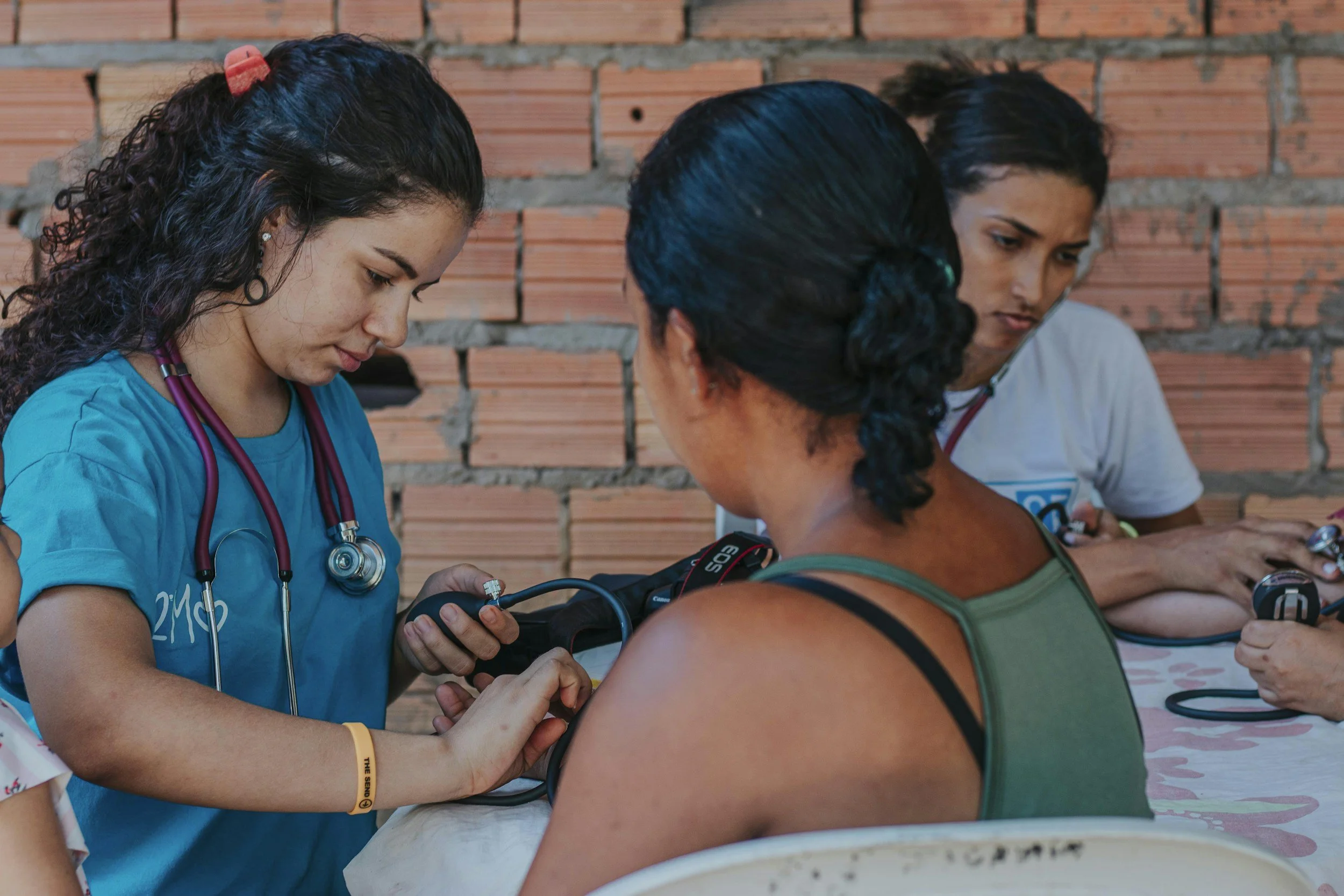
This does not mean every refugee in Arizona will lose health coverage. Some may have employer insurance, qualify through another status, become citizens, or find another coverage pathway. But many newly arrived or low-income refugee families who currently rely on AHCCCS could face a sudden gap in care — losing access to doctors, prescriptions, treatment, mental health care, preventive care and trusted medical providers.
Arizona is not a minor resettlement state. The Arizona Refugee Resettlement Program reports 110,504 total refugee arrivals in Arizona since 1980, 9,705 arrivals in federal fiscal year 2024, and identifies Arizona as one of the nation’s top 10 resettlement states. Refugee services in Arizona include case management, employment support, legal immigration services, Refugee Cash Assistance, Refugee Medical Assistance, health promotion, school support, youth mentoring and services for older refugees.
The financial impact for families could be severe. Private insurance is often out of reach for households still working toward self-sufficiency. In Arizona’s 2026 ACA Marketplace, KFF (formerly known as Kaiser Family Foundation) reports an average monthly premium of $688, or $229 after tax credits for those receiving subsidies. The average lowest-cost bronze plan is $430 per month and the average lowest-cost silver plan is $519 per month. For a refugee family already paying rent, utilities, transportation and food costs, even a subsidized premium can be impossible — and eligibility for Marketplace subsidies is also being narrowed for many lawfully present immigrants in 2027.
This policy decision was made at the federal level. Congress passed H.R. 1, the president signed it into law, and federal agencies are implementing the eligibility changes. AHCCCS is responsible for carrying them out in Arizona, but the underlying restriction comes from federal law. The change is not a short-term administrative glitch; unless Congress changes the law or Arizona creates a state-funded alternative, the loss of eligibility will continue.
The “savings” are small compared with the human cost. Arizona’s Joint Legislative Budget Committee (JLBC) estimates that eliminating Medicaid eligibility for refugees, asylees and others will reduce Arizona Medicaid spending by about $11.8 million in FY2027 and $15.7 million annually by FY2028, including about $3.2 million in state General Fund savings. In other words, the state’s direct savings are modest, while the result for families may be delayed care, worsening health, higher emergency-room use and greater strain on local clinics, hospitals, schools, food banks and congregations.
LAMA joins LSS-SW in encouraging people of faith to speak up. In letters to members of Congress, advocates can say:
Refugees are legally admitted, highly vetted humanitarian immigrants who are rebuilding their lives in Arizona. Please restore Medicaid and nutrition eligibility for refugees, asylees and humanitarian immigrants, or support a delay while states and service providers prevent dangerous gaps in care.
In letters to state lawmakers, advocates can say:
Because federal policy is creating a health coverage gap for refugee neighbors in Arizona, please support state-level solutions that preserve access to primary care, prescriptions, mental health services, language access and culturally competent care — and ask AHCCCS and DES to report how many Arizonans are affected.
As Lutherans, we believe every person bears the image of God. Our faith calls us to welcome the stranger, care for the sick, accompany people in crisis and advocate for policies that protect human dignity. Refugee neighbors are not policy abstractions. They are parents, children, elders, workers, students, caregivers and beloved members of our shared community.
Policy decisions made in Washington have consequences in Arizona. When refugee families lose health coverage, our public witness must be clear: no neighbor should be forced to choose between medical care and basic survival. People of faith can speak up, volunteer, give and accompany refugee neighbors with courage, compassion and hope.